 f38e968aba
Zeroing the upper part of X15 may make the CPU think it is
"dirty" and slow down SSE operations. For now, just not zeroing
the upper part, and construct a zero value on the fly if we need
a 256- or 512-bit zero value. Maybe VZEROUPPER works better than
explicitly zeroing X15, but we need to evaluate.

Long term, we probably want to move more things from SSE to AVX.

This essentially undoes CL 698237 and CL 698238, except keeping
using X15 for 128-bit zeroing for SIMD.

Change-Id: I1564e6332c4c57f9721397c92c7c734c5497534c
Reviewed-on: https://go-review.googlesource.com/c/go/+/728240
LUCI-TryBot-Result: Go LUCI <golang-scoped@luci-project-accounts.iam.gserviceaccount.com>
Reviewed-by: David Chase <drchase@google.com>
The Go Programming Language
Go is an open source programming language that makes it easy to build simple, reliable, and efficient software.
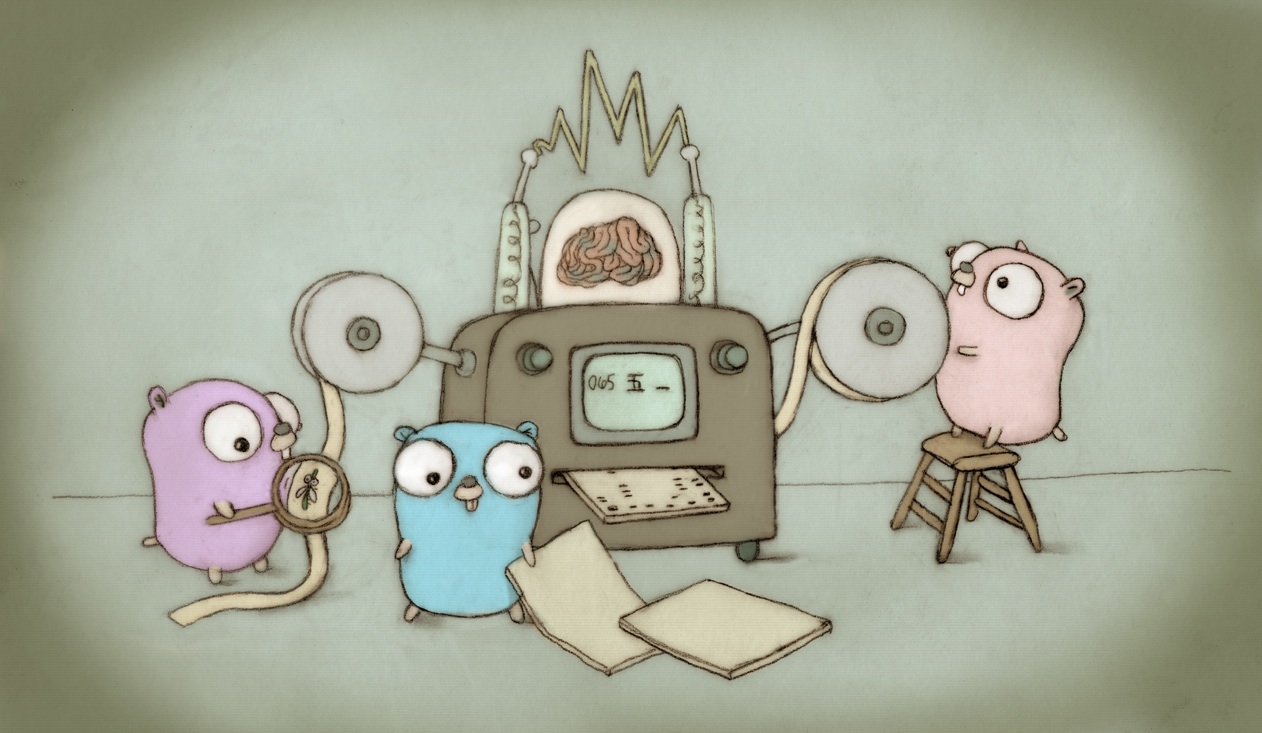 Gopher image by Renee French, licensed under Creative Commons 4.0 Attribution license.
Our canonical Git repository is located at https://go.googlesource.com/go. There is a mirror of the repository at https://github.com/golang/go.
Unless otherwise noted, the Go source files are distributed under the BSD-style license found in the LICENSE file.
Download and Install
Binary Distributions
Official binary distributions are available at https://go.dev/dl/.
After downloading a binary release, visit https://go.dev/doc/install for installation instructions.
Install From Source
If a binary distribution is not available for your combination of operating system and architecture, visit https://go.dev/doc/install/source for source installation instructions.
Contributing
Go is the work of thousands of contributors. We appreciate your help!
To contribute, please read the contribution guidelines at https://go.dev/doc/contribute.
Note that the Go project uses the issue tracker for bug reports and proposals only. See https://go.dev/wiki/Questions for a list of places to ask questions about the Go language.